Digital microplanning cuts missed settlements in Nigeria's vaccination campaigns
eHealth Africa reports that digital microplans cut the share of settlements missed during a Kebbi State vaccination campaign from over 20% to around 6%. What worked, and the sustainability warning that came with it.
Nigeria has one of the largest numbers of zero-dose children in the world: children who have not received a single routine vaccine. A report published on 12 November 2026, first carried by TechCabal, looks at how the non-profit eHealth Africa is using digital tools to reach them, and at what it will take to keep those tools running.
The numbers
- Reach. According to eHealth Africa's 2026 mid-year report, vaccination campaigns it supported reached more than 23 million children across over 205,000 settlements in Nigeria in the first half of 2026.
- Missed settlements. In Kebbi State, the share of settlements planned for vaccination but missed fell from more than 20% in an observed campaign to around 6% in a later round that used a digital microplan, according to Abubakar Shehu of eHealth Africa.
- Planning time. Conventional microplanning took four to five days per local government area, sometimes up to ten. With the digital tool, PlanFeld, it took between five and ten minutes, according to the same interview.
- Delivery. In Sokoto, the number of facilities served by direct vaccine delivery rose from 351 to 407, according to the mid-year report.
What made the difference
The tools are not exotic. They are good data, used well:
- Maps instead of guesses. Settlements are mapped with GIS, recording location, whether they are inhabited, how they can be reached and who the community leaders are.
- One source of truth. Settlement data sits in one repository, and the tool allocates the workload to each vaccination team.
- Tracking. Teams and delivery routes are tracked, and a logistics information system shows vaccine movements and stock levels at each facility.
- The cold chain. Carriers that keep vaccines at 2 to 8°C for up to five days without ice or electricity, and solar power at primary health centres, address the power problems that spoil vaccines.
The warning: sustainability
The same report carries a caution. Mr Shehu identified limited technical capacity, high upfront costs and dependence on donors as major sustainability challenges, and said many technology projects fail because they focus on design and roll-out without planning how government will run them afterwards. Late data reaching the state level slows decisions, and caregivers turned away on vaccination day often do not come back.
That echoes the message from WHO's Nigeria representative this month: digital health should be judged by its outcomes, and built on national systems rather than parallel ones.
Lessons for facilities
Campaigns are only part of the picture. Most vaccines are given at health facilities, and the same principles apply there: know who is due, record every dose with its batch, follow up the children who miss an appointment, and keep stock data accurate. Our article on keeping vaccination schedules on track covers this in more detail, and Syneom EHR's immunisation module tracks due and overdue doses, batch numbers and adverse events from one patient record.
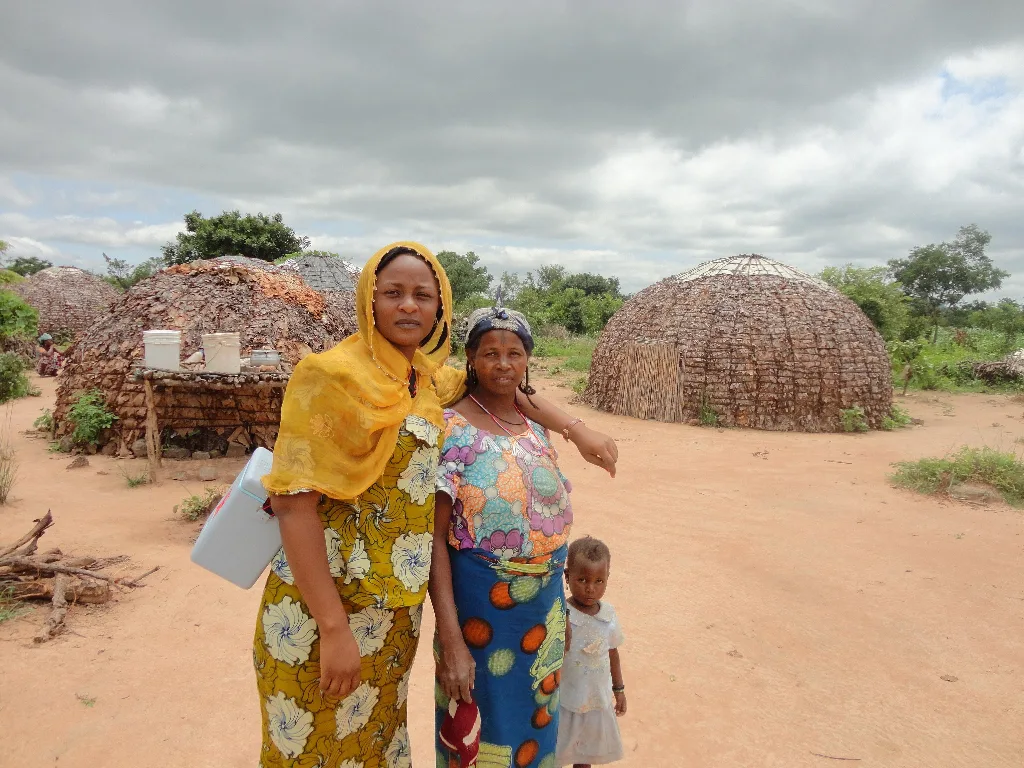
Photo: A health worker with a vaccination team in a remote community in Nigeria. CDC Global, CC BY 2.0, via Wikimedia Commons.