Vaccination in Africa: keeping every child's schedule on track
Vaccines only protect children who receive every dose on time. Missed doses, lost cards and broken cold chains are everyday problems for immunisation services. Here is how reliable digital records can help clinics follow up every child.
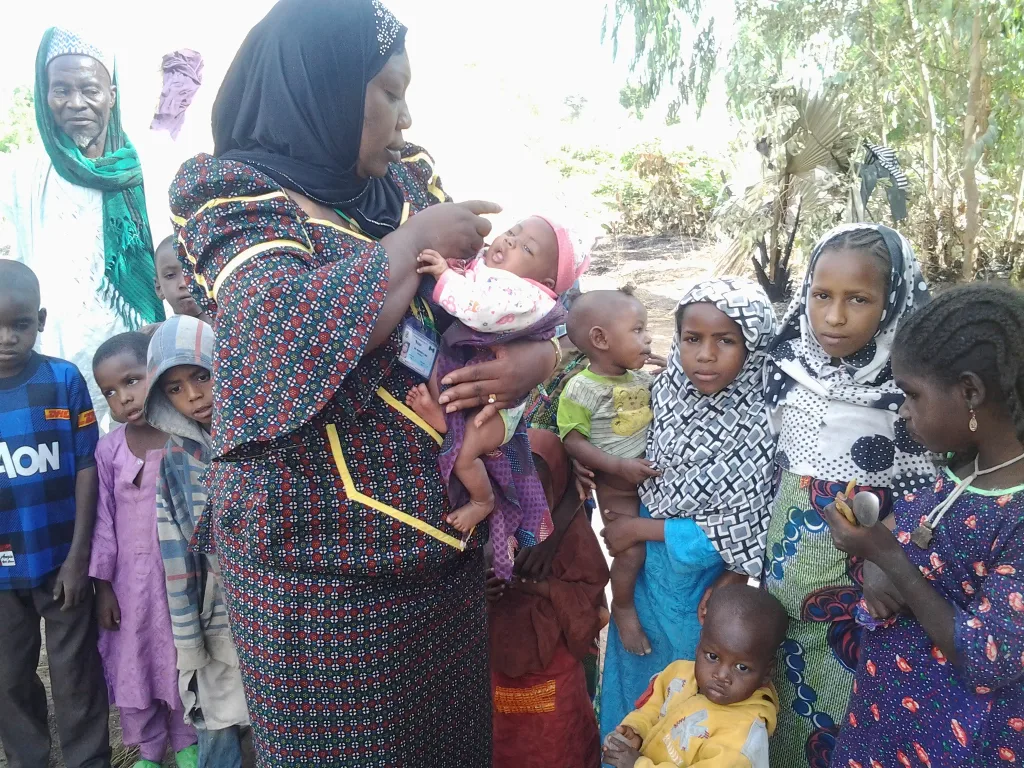
Vaccination is one of the most effective things a health system does. The global Immunization Agenda 2030, endorsed through WHO, sets out a vision of a world where everyone, everywhere, at every age, fully benefits from vaccines, and describes itself as a strategy to leave no one behind.
For a clinic, leaving no one behind comes down to practical questions asked every day. Which children are due this week? Who missed a dose last month? Is this batch still safe to use? This article looks at where immunisation services struggle and how good records help.
The everyday problems
- Missed and late doses. A child who starts a schedule but misses later doses is only partly protected. Without a clear list of who is overdue, follow-up depends on memory and paper registers.
- Lost cards. When the only record is a card at home, a lost card means a family cannot prove which vaccines a child has had, and doses may be repeated or skipped.
- Doses given elsewhere. Families move, and children are vaccinated in campaigns or at other facilities. Those doses need to count, or the schedule goes wrong.
- Stock and the cold chain. Vaccines must be stored at the right temperature, used before expiry and tracked by batch, especially when a batch needs to be traced or recalled.
- Adverse events. Reactions after immunisation must be recorded and reported properly, both for the child's safety and for public confidence in vaccines.
What a digital immunisation record should do
These are the capabilities we built into the immunisation module of Syneom EHR, and we think any immunisation system should offer them:
- A due and overdue forecast worked out from the schedule the facility uses, so staff can see at a glance who is due today and who has fallen behind.
- Schedules approved by clinical leadership. The schedule drives the forecast, so changes to it are versioned and approved, not edited casually.
- A dose counts only when it is documented. A booking, a payment or a plan never marks a vaccine as given; only a recorded administration does.
- Doses given elsewhere can be recorded, so the child's schedule reflects their real history.
- Screening and safety checks before administration, with any exception recorded by an authorised person and the reason kept.
- Batch tracking, with unsafe batches refused. Every dose is linked to its batch, and an expired, quarantined or recalled batch cannot be used.
- Cold-chain readings and opened multi-dose vials recorded alongside the stock, so excursions are visible.
- Adverse events following immunisation (AEFI) recorded against the dose.
- An immunisation card and a due register that can be printed or reissued from the record, so a lost card is no longer a lost history.
Reminders that respect families
A short message before a dose is due can make a difference, especially for busy parents. Reminders should only be sent where the family has agreed, through the channel they prefer, such as SMS or WhatsApp, and should contain no more personal information than needed.
Data that serves the programme
When every dose is recorded once, at the point of care, the same records produce the clinic's due register and reports: doses given by vaccine and age band, adverse events and vaccine wastage. Staff spend less time copying figures by hand, and managers can see who has fallen behind while there is still time to act.
A vaccine in the fridge protects no one. The work is making sure every child is found, reminded and vaccinated on time, and good records make that work visible.
If you manage immunisation services and would like to see how this works in practice, you can request a demonstration of Syneom EHR.
Photo: Oral polio vaccination in an underserved community in Adamawa State, Nigeria. CDC Global, CC BY 2.0, via Wikimedia Commons.