WHO report: Africa's health information systems are digital on paper, patchy in practice
A new WHO assessment of 40 African countries finds most now report through digital platforms, but only one in five uses digital patient records and few can check the quality of the data they collect.
The World Health Organization has published its first region-wide assessment of how well African countries collect, check and use health data. The report, The Maturity and Functionality of Health Information System in the WHO African Region, was launched on 10 November 2026 at the first Africa Health Data Forum in Nairobi. It is based on assessments of 40 of the region's 47 countries carried out in 2024.
What the report found
- Overall maturity averaged 59 out of 100, with countries ranging from 26 to 93.
- Digital reporting is widespread: 43 of 47 countries use a digital platform for routine health reporting.
- Digital patient records are not: only about 20% of countries use them, and fewer than half have frameworks for making systems work together.
- Data skills are thin: 43% of countries can analyse facility data, and only 25% can assess the quality of the data they hold.
- Deaths are under-recorded: 19 of the 40 countries notify at least 80% of deaths, and 21 record the cause for at least 80%.
- Funding and policy lag behind: only 18% have a dedicated budget line for health information systems, and 35% have an up-to-date policy.
WHO's Regional Director for Africa, Dr Mohamed Janabi, said reliable data are what allow countries to anticipate health threats, target resources and measure progress, and urged governments to invest in the systems that produce them.
Why this matters for hospitals
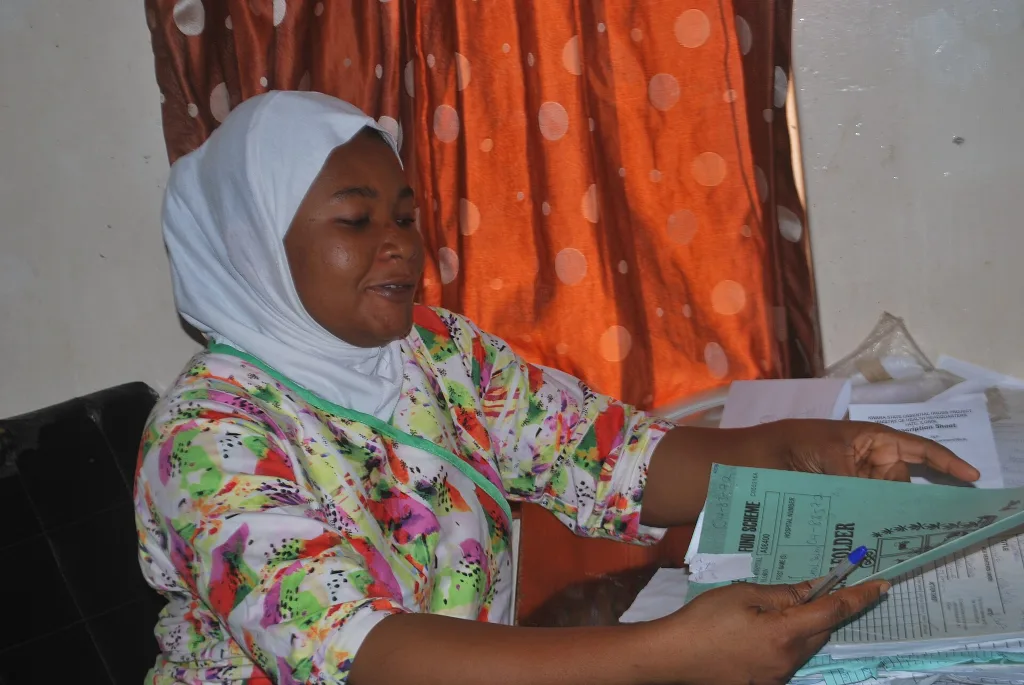
The pattern in the report is familiar to anyone who has worked in an African hospital: the monthly summary goes to the national platform, but the patient record that produced it is still on paper. Aggregate reporting tools such as DHIS2 have spread quickly. The record at the point of care has not.
That gap matters because aggregate numbers are only as good as the registers behind them. When a facility cannot trace a reported figure back to individual patients, it cannot check it, and the quarter of countries able to assess data quality becomes easy to understand.
Three practical lessons follow for facilities:
- Capture data once, at the point of care. When registration, consultation, laboratory and billing share one record, reports are produced from what was actually done rather than re-counted from ledgers.
- Make quality visible. Required fields, coded diagnoses and audit trails make errors visible early, before they reach a national dataset.
- Record deaths properly. Death notification and cause of death are among the weakest areas in the report. A hospital system that records deaths and their causes in a structured way, and refuses new activity on a deceased patient, directly strengthens civil registration and mortality statistics.
The report gives ministries a baseline. For hospitals, it is a reminder that national data systems are built from facility records, one patient at a time.
Source: WHO Regional Office for Africa, 10 November 2026.
Photo: A nurse sorting paper patient folders at a hospital in Nigeria. Jamie Tubers, CC BY-SA 4.0, via Wikimedia Commons.