Nigeria approves its National Telemedicine Guidelines: what it means for doctors and patients
On 19 November 2026 the National Council on Health approved Nigeria's National Telemedicine Guidelines. For solo doctors, small clinics and their patients, virtual care is moving from a grey area to an accepted part of practice.
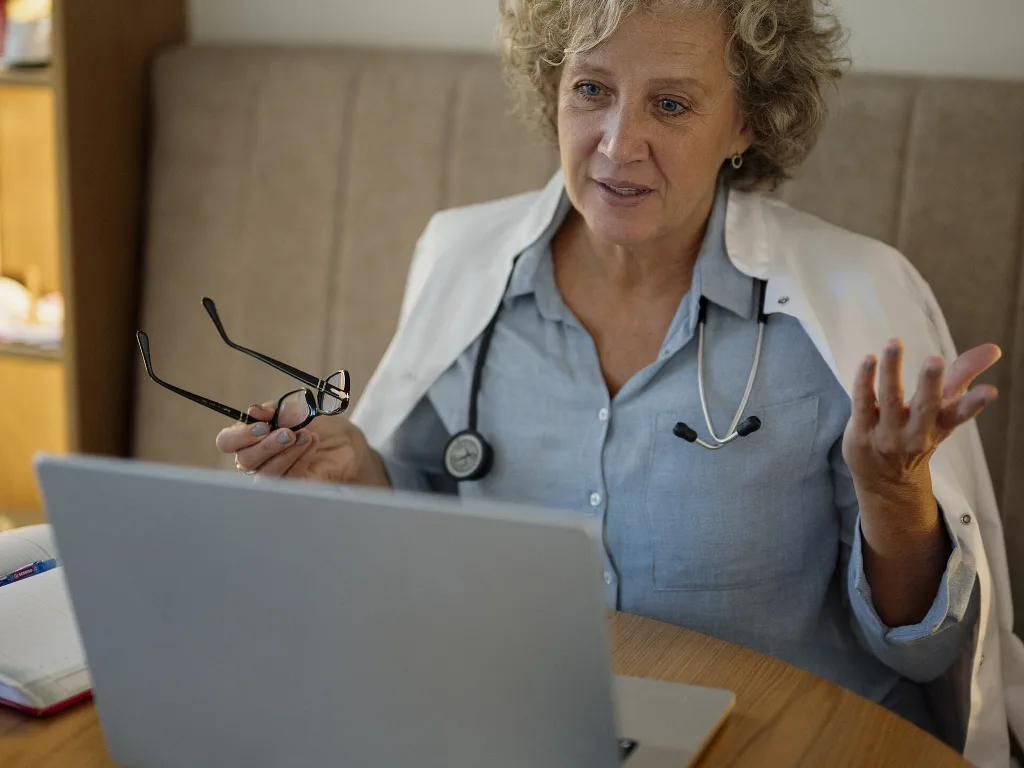
Nigeria now has national rules for telemedicine. On 19 November 2026, the National Council on Health, the country's highest health policy-making body, approved the National Telemedicine Guidelines at its 67th meeting in Lafia, Nasarawa State. Adopting and implementing the guidelines is among the 22 resolutions in the council's draft communiqué, Peoples Gazette reported, alongside a National Electronic Pharmacy Policy and a review of the National Health Act 2014.
Why it matters
Until now, doctors who saw patients by video or phone did so without a clear national framework. A national guideline gives providers, patients and insurers a shared reference point for how virtual care should be delivered.
Officials set out the principles at the Nigerian Telehealth Conference in Abuja in October, Premium Times reported:
- "Telehealth is not simply about deployment; it is not a replacement for our competent health workers," said Salma Ibrahim-Anas, Special Adviser to the President on Health, who also listed electricity, connectivity, financing, regulation, interoperability, data privacy and cybersecurity as practical foundations.
- Dr Fatima Kyari, Registrar of the Medical and Dental Council of Nigeria, said the future of telemedicine must be "professionally responsible and ethically grounded".
- "Telemedicine is not medicine without accountability. It is proper medicine delivered through another channel," said Dr Oyebanji Filani, Chairperson of the Nigeria Health Commissioners Forum.
The full text of the approved guidelines has not yet been published. When it is, providers should read it closely, particularly on consent, records, prescribing and data protection. The message from regulators is already clear: virtual care is real care, with the same duties as a clinic visit.
For solo doctors and small clinics
Telemedicine lets an independent practitioner follow up patients between visits, see people who live far away, review results without asking patients to travel, and run evening or weekend sessions without opening the clinic. To do that responsibly, a practice needs more than a video app. It needs:
- A record of every consultation, kept with the patient's notes, not in a chat history.
- Recorded consent before the call starts.
- Secure, private calls that only the booked patient can join.
- Booking and payment that work without back-and-forth messages.
- Prescriptions and test requests issued from the same record.
How Syneom Telehealth helps
Syneom Telehealth is built into the Syneom record, so a video consultation is a consultation, not a separate system:
- Online booking of video appointments, including by patients from their Syneom patient account.
- Consent first: the patient records consent to a teleconsultation before joining.
- A virtual waiting room: the patient waits in the lobby and the clinician admits them when ready.
- Secure, short-lived links for each session. Calls are not recorded.
- Optional payment before the call through online payment, where the practice switches it on.
- One record: opening the session starts the visit, so notes, prescriptions and laboratory or imaging requests sit in the patient's chart.
- For independent practices: solo doctors and small clinics can run Syneom Telehealth as part of a practice account, with no hospital IT department needed.
We will review the approved guidelines as soon as the text is published and update Syneom Telehealth wherever they require it.
Providers: get ready for telemedicine
If you are a doctor, specialist or clinic owner who wants to offer video consultations properly documented in your patients' records:
Book a free demo of Syneom Telehealth · Talk to our team about pricing for your practice · See what Syneom Telehealth does
Patients: ask for a video consultation
If you would like to see your doctor without travelling, for follow-ups, results or repeat advice, ask your doctor or clinic whether they offer video consultations with Syneom. Telemedicine is not for emergencies: for chest pain, severe bleeding, difficulty breathing or any urgent problem, go to the nearest hospital.
Tell us which doctor or clinic you would like to see online, and we will let them know patients are asking.
Sources: Peoples Gazette (NAN), 20 November 2026; Premium Times (NAN), 20 October 2026.
Photo: A doctor speaking with a patient during a video consultation. Shixart1985, CC BY 2.0, via Wikimedia Commons (cropped).