Male infertility: why men belong in the fertility conversation
Infertility affects about 1 in 6 people worldwide, and it is not only a women's health issue. Here is what male infertility is, how evaluation usually starts, and why getting men involved early matters.
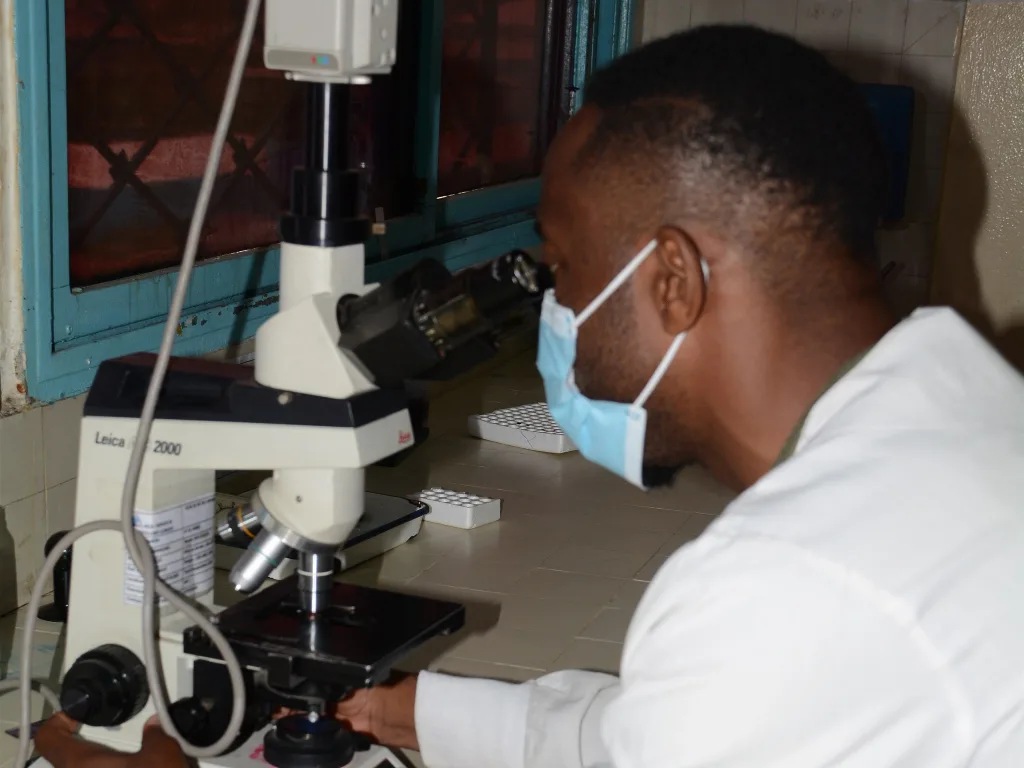
When a couple has difficulty conceiving, attention often falls on the woman first. In many communities the question is asked of her alone, and the man is never tested. Yet infertility is a condition of the male or the female reproductive system, and very often both partners need to be assessed.
This article explains what male infertility is, how an evaluation usually begins, and why bringing men into the conversation early saves couples time, money and distress. It is general information, not medical advice: anyone with concerns should speak to a qualified health professional.
How common is infertility?
According to a 2023 report from the World Health Organization, around 17.5% of the adult population, roughly 1 in 6 people worldwide, experience infertility in their lifetime. WHO defines infertility as the failure to achieve a pregnancy after 12 months or more of regular unprotected sexual intercourse.
What causes infertility in men?
The WHO fact sheet on infertility lists the most common causes in the male reproductive system as:
- problems with the ejection of semen;
- an absence of sperm, or low levels of sperm;
- sperm with an abnormal shape (morphology) or abnormal movement (motility).
Many of these have no obvious symptoms. A man can feel completely well and still have a problem that only a laboratory test will show. That is one reason why assuming the difficulty lies with the woman can delay the right answer for years.
Why men are often left out
The reasons are familiar to clinicians across Africa:
- Stigma. Fertility is tied to ideas of manhood, and many men find it hard to talk about, even with a doctor.
- Assumptions. Families, and sometimes health workers, assume the cause is the woman's.
- Access. Specialists, andrology services and well-run laboratories can be far away or expensive, and it is not always clear where to go.
- Misinformation. Advice found online or passed between friends is often wrong, and some of it is sold with promises no treatment can keep.
How an evaluation usually starts
A first assessment of a man is usually simple and not invasive. A clinician will typically take a history (how long the couple has been trying, previous illnesses, operations, medicines, occupation and lifestyle) and examine him. A semen analysis in a properly equipped laboratory is a common early test.
Two points are worth knowing:
- One result is not the final word. Semen quality varies from sample to sample, and a single analysis does not prove fertility or infertility. Results need to be interpreted by a qualified professional, in the context of the whole history, and tests are often repeated.
- The laboratory matters. How the sample is collected, how quickly it reaches the laboratory and which methods and reference values the laboratory uses all affect the result.
When should a couple seek help?
A common guide is to see a health professional after 12 months of trying without a pregnancy, in line with the WHO definition. Many clinicians advise seeking advice sooner if there is a known problem, such as a history of testicular surgery or injury, or if either partner has concerns. Both partners should be assessed, ideally together.
Where digital tools can help, and where they cannot
Digital tools cannot diagnose infertility, and they should never promise a pregnancy. What they can do is make reliable information private and easy to reach, help a man understand when an evaluation is worth having, explain test results in plain language and point him to a laboratory or clinician who can help.
That is the aim of FertilityCare AI, a male reproductive health platform that Syneom Health is developing. It is not yet available for clinical use. It is being designed so that clinical rules and reference ranges are approved by qualified reviewers, that AI only explains approved information, and that sensitive details stay private. A controlled pilot is proposed in Kano State once the required approvals are in place.
Male infertility is common, often silent and frequently treatable or manageable once it is identified. The first step is simply for men to be part of the conversation.
If you are a clinic, laboratory or partner interested in this work, you can register your interest.
Photo: A laboratory scientist at the microscope in Laquintinie Hospital, Douala, Cameroon. Happi Raphael, CC BY-SA 4.0, via Wikimedia Commons (cropped).