From paper folders to electronic records: Kwara and the Eastern Cape go digital
Kwara State has approved electronic medical records for its public hospitals, and South Africa's Eastern Cape has reached 110 primary care facilities in about two and a half months. What both rollouts show about doing it well.
Two African governments are moving their public health facilities from paper to electronic records, and both offer lessons for any hospital planning the same step.
Kwara State, Nigeria: public hospitals
Kwara State Governor AbdulRahman AbdulRazaq has approved the introduction of electronic medical records across state-owned hospitals, Voice of Nigeria reported. The Kwara State Hospitals Management Board will implement it under the HOPE-PHC Project, following an earlier digitalisation pilot in six hospitals, with healthcare workers scheduled to begin training in November.
The board's Executive Secretary, Dr Abdulraheem Malik, described the approval as a milestone towards a more efficient, accountable and technology-driven public health system. The aims set out include reducing reliance on paper records, improving access to patients' medical histories, supporting continuity of care and giving hospital managers better evidence for decisions.
Eastern Cape, South Africa: 110 clinics
In South Africa, the Eastern Cape Department of Health says it has rolled out electronic medical records to 110 primary healthcare facilities across six districts and two metros, Mthatha Express reported. Buffalo City was the pilot site.
"The milestone comes within two and a half months after the province began its EMR rollout," said department spokesperson Siyanda Manana. The goal, he said, is to "build a connected health system in which accurate patient information supports care from reception to consultation rooms", and on through referral and follow-up. The department named the problems it wants to end: misplaced files, duplicated information and patient information that is not available when needed. It said each facility goes live only once staff are trained and devices, connectivity and technical support are in place.
What both rollouts get right
- Start with a pilot. Kwara tested in six hospitals; the Eastern Cape started in Buffalo City. Problems found in a pilot are cheap to fix.
- Train before go-live. Both put staff training ahead of switching on. A system that staff do not trust ends up running alongside the paper it was meant to replace.
- Check readiness facility by facility. Devices, power, connectivity and support decide whether a clinic can stop using paper, not the software alone.
- Follow the patient, not the department. The value comes when the record moves with the patient from reception to consultation, laboratory, pharmacy and referral.
For hospitals and clinics planning the same move, the order matters: agree the workflows, train the people, prepare the infrastructure, then go live in stages. Syneom EHR is built for that path, and our team can help plan a phased rollout. Request a demo.
Sources: Voice of Nigeria, 12 October 2026; Mthatha Express, 26 October 2026.
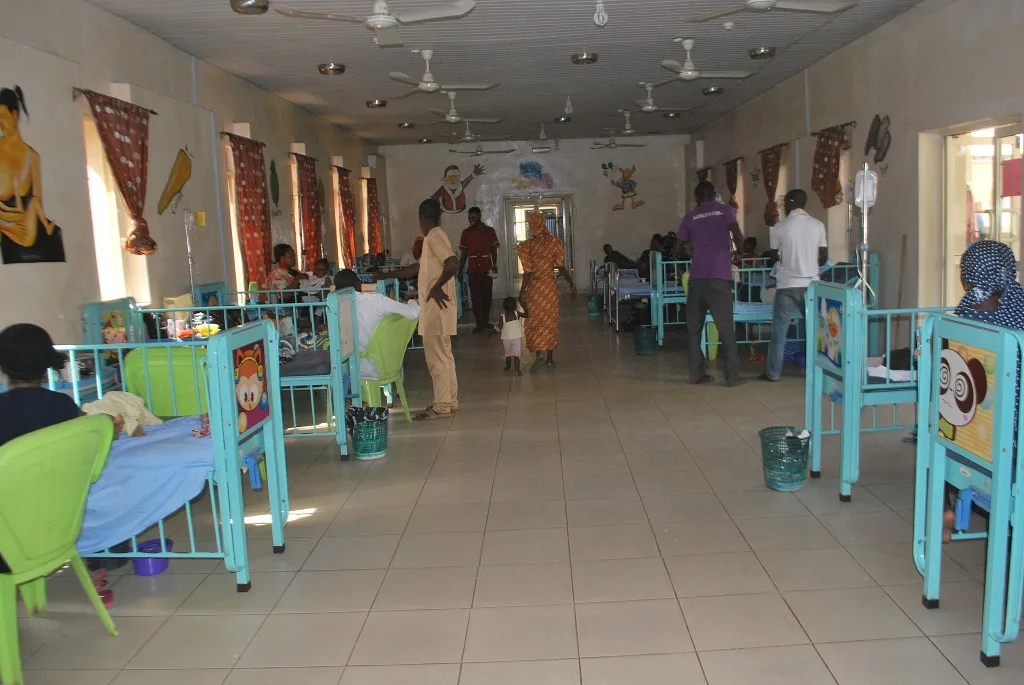
Photo: The paediatric ward at General Hospital, Ilorin, Kwara State. Jamie Tubers, CC BY-SA 4.0, via Wikimedia Commons.