AI clinical decision support: how it can help clinicians, and how to use it safely
Clinical decision support can catch what a busy clinician might miss. Adding AI brings new possibilities and new risks. Here is how rule-based and AI support differ, and the safeguards that should come with them.
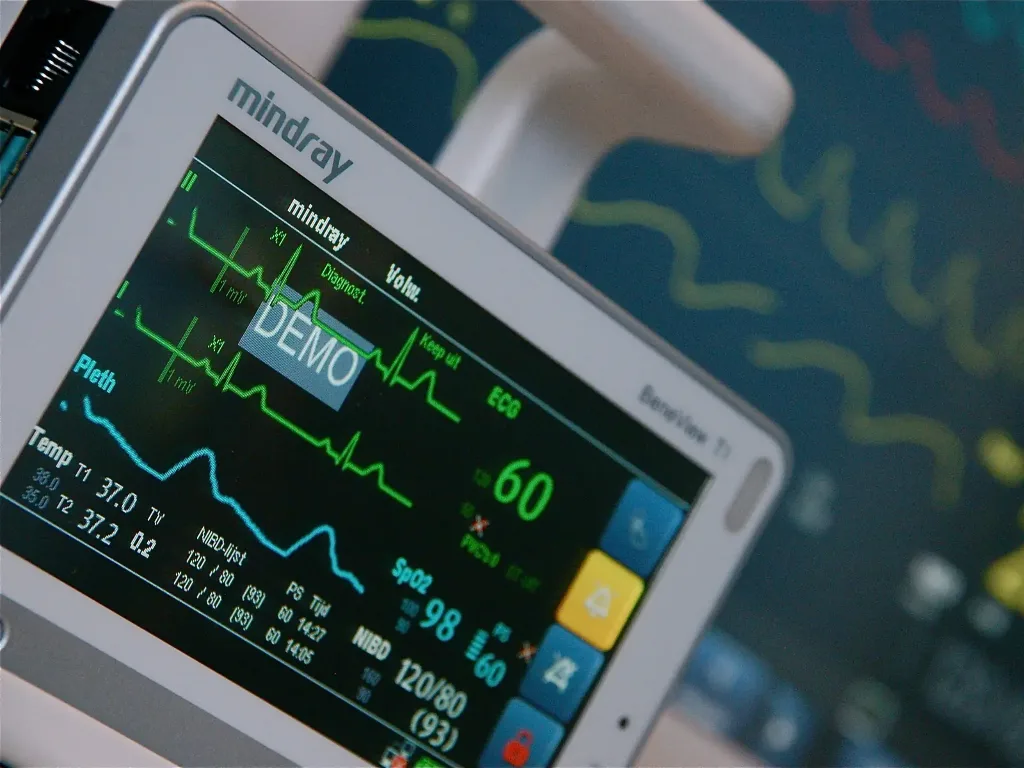
Clinicians make hundreds of decisions a day, often under pressure and with incomplete information. Clinical decision support (CDS) is software that brings relevant knowledge to the moment of care: a reminder, an alert, a suggestion to consider. Artificial intelligence (AI) is now being added to CDS. Used well, it can help. Used carelessly, it can mislead.
What clinical decision support does
CDS looks at information already in the patient's record and highlights what deserves attention. Typical examples include:
- An abnormal observation or result that needs review.
- A medicine that may not suit a recorded allergy.
- A screening or follow-up that is due.
- A deteriorating trend across several readings that is easy to miss one reading at a time.
The aim is not to replace clinical judgement but to make sure nothing important is overlooked.
Rule-based support and AI support
Rule-based CDS follows explicit rules agreed by clinicians, for example "alert when this value is outside this range". Its strengths are that it is predictable and can be checked: you can see exactly why an alert appeared. Its weakness is that it only knows what someone wrote down, and too many rules lead to alert fatigue.
AI-based CDS uses models that can read free text, summarise a record or suggest possibilities a rule would not cover. It is more flexible, but it can also be wrong in convincing ways, and it is harder to explain why it said what it said.
The two work best together: rules for clear, agreed thresholds; AI for summarising and suggesting, always with a clinician deciding.
The risks of AI in clinical care
- Confident errors. Language models can produce plausible statements that are not true, including invented references.
- Privacy. Sending identifiable patient data to an outside AI service raises serious data-protection questions.
- Bias. Models trained on data from other populations may not reflect local patients, diseases or practice.
- Over-reliance. If suggestions look authoritative, busy staff may accept them without checking.
Safeguards to insist on
- Advisory only. The system suggests; it never writes to the record, changes a prescription or signs a report by itself. A clinician decides and is accountable.
- Clearly labelled. Every suggestion should say whether it came from an agreed rule or from AI.
- De-identification. Only the information needed should leave the hospital, with names and identifiers removed, and only when the facility has authorised it.
- Governed rules. Clinical rules should be reviewed and approved by someone other than the person who wrote them, and nothing should be switched on by default.
- Trusted references. AI should only cite sources the hospital has chosen, not whatever it finds.
- Audit. Every recommendation, and what the clinician did with it, should be recorded.
- Ways to switch it off. The facility should be able to turn AI features off at any time without affecting the rest of care.
Getting started sensibly
Start small. Pick one or two areas where missed information causes real harm, agree the rules with your clinicians, and review how alerts are used after a few weeks. Add AI features once the basics are trusted, and keep listening to the people who use them.
How Syneom approaches clinical decision support
Clinical decision support in Syneom EHR is built on these principles. It is advisory only: it never writes to a consultation, prescription, order or report. Every recommendation is labelled as rule-based or AI. Facility rules need a second person's approval, and none are active by default. AI features run only when the facility has switched them on and authorised them, and what is sent is de-identified. AI may cite only references the facility has chosen, and every recommendation and response is recorded. Ask us for a demonstration to see it in practice.